

Why teat condition matters during dry off
17 Apr 2026
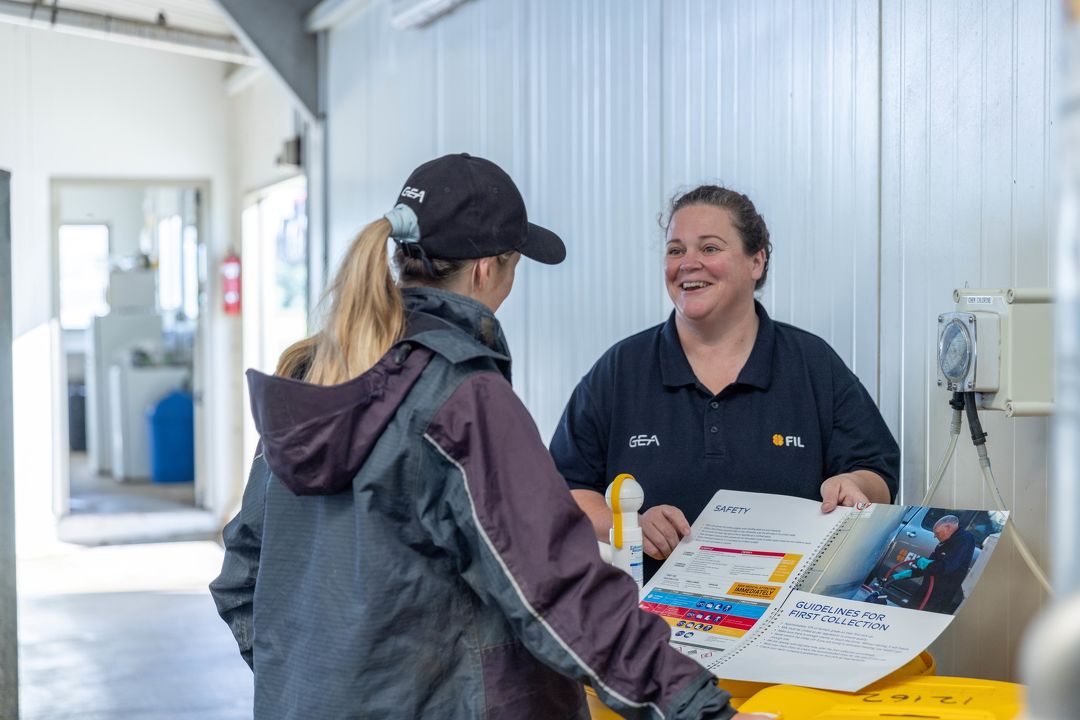
Tania Earnshaw, FIL Area Manager for South Waikato & Matamata, has some quick tips to help ensure the lead up to dry off goes smoothly. As the season winds down, she says now is the time for farmers to think beyond simply stopping milk and focus on setting cows up for next season.
“A great dry off means more milk in the vat, more dollars in the pocket, and quicker, easier milkings next season,” Tania says. Getting it right starts well before dry‑off day itself.
Why dry off matters
The dry‑off period plays an important role in udder health and cow performance next season. When it’s managed well, farmers are more likely to see stable SCC, more days in excellence, and fewer treated cows once milkings finish.
According to Tania, teat health sits at the heart of a successful dry off. Good teat condition helps protect the udder through the dry period and reduces issues when cows come back in. “If cows are dried off cleanly and their teats are in good shape, they finish the season stronger and start the next one better,” she says.
Start with teat condition
One of the biggest opportunities on farm is starting early. Leaving teat care until the last minute only makes dry off harder than it needs to be.
“The better the teat condition going into dry off, the better the return on your investment,” Tania says. In the weeks leading up to dry off, using an iodine teat spray (such as Iodoshield Active) and adding an emollient (such as Active Teat Conditioner) can make a noticeable difference.
This keeps teat skin supple and in good condition through the end of lactation and pays off on dry‑off day, when teats are quicker to clean and need very little scrubbing.
It’s also a good time to check spray mix ratios with an FIL rep. Testing the mix ensures it’s balanced correctly and providing the right level of protection.
Keeping standards high as the season winds down
As dry off approaches and teams begin winding down, standards can sometimes slip. Tania says this is where attention to detail matters most.
Milking practices are just as important at the end of the season as they are at peak. Liners should still be in good condition for even milking, and hygiene remains critical. Milking gloves, clean arms, and clean aprons all help reduce the risk of infection.
Teat spraying also needs to stay consistent. Spray systems should be checked regularly — filters cleaned, vessels washed, mixes measured accurately, and coverage assessed. Nozzles, pressure, and spray patterns should all be checked to ensure teats are fully protected after every milking.
Adding an emollient at this stage helps support teat health through the end of lactation and into the dry period. From Tania’s experience, it’s one of the simplest changes farmers can make. “It supports teat health and makes dry‑off day quicker and easier,” she says.
What good dry off looks like
When dry off is done well, it doesn’t feel rushed. Milk volumes should already be dropping so cows aren’t being overmilked, and teats should be sprayed correctly using the right actives with full coverage.
Protecting the teat end at this time is especially important. When this is done properly, cows finish the season in a strong position — SCC stays stable, days in excellence increase, and fewer cows require treatment after dry off.
Hygiene on dry‑off day
Hygiene is always a priority on dry‑off day, but making it easier starts well before that day arrives.
Healthy teat skin makes the entire process faster, cleaner, and more effective. Iodine teat spray plays a key role, providing fast action against pathogens — particularly environmental bacteria that increase as conditions become wetter and muddier in autumn.
Pre‑spraying teats on dry‑off day helps kill surface pathogens and wets the teat. This means when a Milker Teat Wipe is used, dirt and material are removed quickly and effectively, right back to clean teat skin.
People hygiene matters too. Tania recommends having buckets with Antigerm available so hands and arms can be rinsed regularly, helping reduce the risk of spreading bugs between cows during a busy dry off.
Tania’s final message
If there’s one message Tania encourages farmers to remember, it’s that teat condition deserves the same attention as feeding in the lead up to dry off.
“Every shed is different, and lots of factors affect teat condition,” she says. “If there’s room for improvement, getting an FIL rep out for a milking assessment is one of the easiest ways to identify opportunities.”
Back...